

-

Why Are Anime Figures So Expensive?
2025-12-30 20:12:41
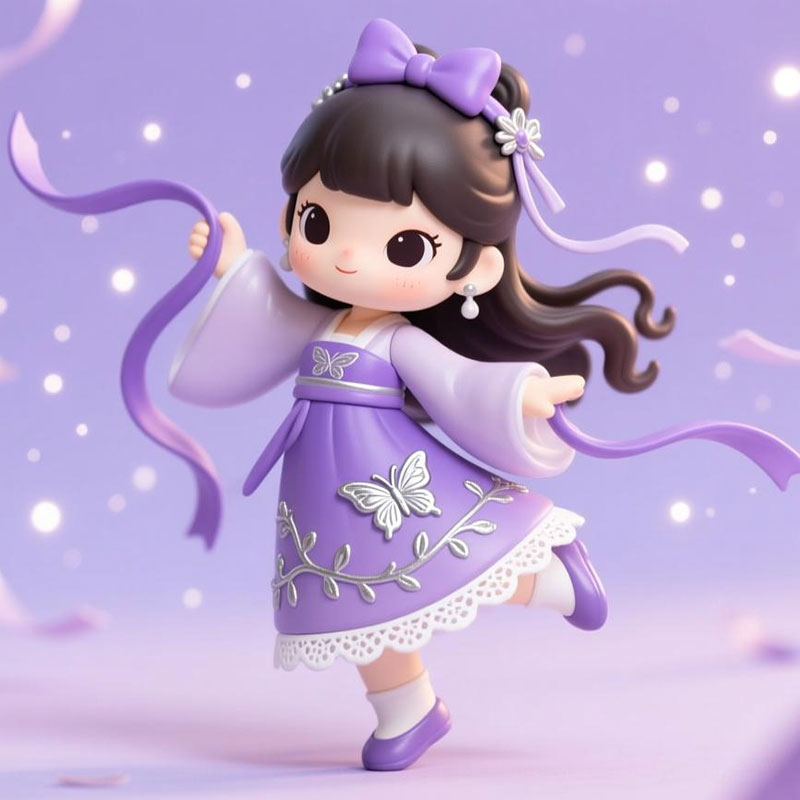
Anime figures, as iconic derivatives of the anime and gaming culture, often carry surprisingly high price tags, with premium models even exceeding $500. This phenomenon stems from a combination of factors including intellectual property (IP) costs, sophisticated production processes, limited supply strategies, and market demand dynamics. Understanding these underlying reasons helps explain why these collectibles are far more expensive than ordinary toys.
First and foremost, exorbitant IP licensing fees constitute a fundamental cost driver. Official anime figures require formal authorization from animation studios, character rights holders, and sometimes even voice actors. These licensing agreements involve substantial upfront payments, which are typically passed on to consumers. For instance, the royalty for popular anime IPs can account for 7% to 10% of the product's selling price, and in some cases, the total IP-related costs may reach up to 30% of the final price. This "official authentication" cost is unavoidable for legitimate manufacturers and directly elevates the base price of anime figures.
The elaborate design and prototype development process also contributes significantly to the high cost. Creating an anime figure is not a mass-produced assembly-line task but a sophisticated artistic endeavor. Top-tier sculptors and prototype teams spend weeks or even months refining every detail—from the subtlety of facial expressions to the folds of clothing and the articulation of joints. The fee for a renowned prototype team can range from 100,000 to 300,000 yuan, and this cost must be amortized across the production run. Unlike ordinary toys, anime figures aim to accurately replicate the charm of two-dimensional characters in three-dimensional form, requiring rigorous artistic scrutiny and repeated revisions, which further increases the labor and time costs.
High-quality production materials and meticulous craftsmanship add to the manufacturing expenses. Premium anime figures primarily use high-grade materials such as PVC, ABS plastic, and even translucent resin for parts like hair or accessories, ensuring durability and visual fidelity. The painting process is equally demanding: gradient hair colors, translucent skin textures, and shaded clothing require multiple layers of spraying and manual touch-ups. Factories implement strict quality control standards, with any defective products (such as uneven painting or flawed details) directly discarded, which raises the effective production cost. Additionally, the production of anime figures requires custom steel molds, with a single figure often needing 15 to 20 sets of molds. Each mold costs between 20,000 and 100,000 yuan, and this huge fixed cost further pushes up the unit price.
Limited production runs and exclusivity strategies amplify the market value of anime figures. Unlike mass-produced consumer goods, most anime figures are manufactured in small batches—usually only a few thousand to tens of thousands of units—to maintain their exclusivity and collectibility. The high fixed costs (including mold fees, development costs, and licensing fees) are spread over a small number of products, leading to a significant increase in the unit cost. For example, if a figure's total development and mold costs are 725,000 yuan and the production run is 8,000 units, the fixed cost per unit alone reaches approximately 90.5 yuan. Moreover, limited-edition or event-exclusive figures are often in short supply, and the imbalance between supply and demand drives up their market price. Surveys show that 82.18% of consumers are willing to pay a higher price for limited-edition or special-themed figures, further reinforcing this pricing strategy.
Distribution and additional value-added costs also contribute to the final retail price. Many anime figures are produced in Japan or China and then sold globally, involving shipping fees, customs tariffs, and retailer margins. Retailers typically take a 13% to 15% cut of the selling price, and international transportation and tax costs can further increase the overall cost. Additionally, premium packaging designed for collection (rather than just storage) and value-added features such as interchangeable parts, LED lighting systems, or alloy components—all of which enhance the figure's playability and collectibility—also add to the production and pricing burden.
In summary, the high price of anime figures is the result of a comprehensive cost stack and market positioning. It reflects not only the tangible costs of IP licensing, design, materials, and production but also the intangible value of artistic creation, exclusivity, and emotional resonance with fans. For collectors, purchasing an anime figure is essentially investing in a combination of official IP authentication, artistic craftsmanship, and collectible value, which explains why they are willing to pay a premium for these cultural artifacts.
Get in touch with us
Just leave your email or phone number in the contact form so we can send you a free quote for our wide range of designs!